When Privacy is a Luxury: Navigating Therapy in a Small Town

When Privacy is a Luxury: Navigating Therapy in a Small Town
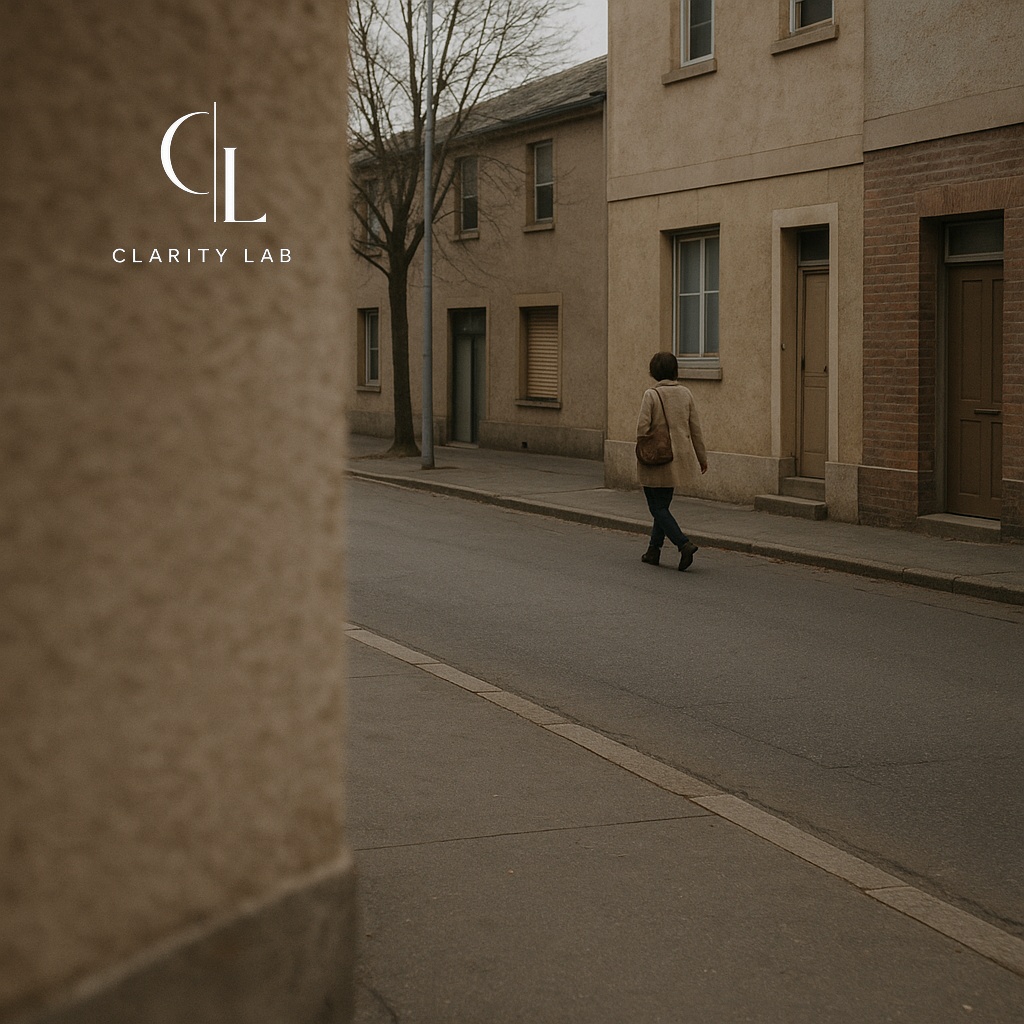
She pauses in front of the therapist's office. The car parked outside is familiar, an extension of her identity in this small town. Everyone knows it belongs to her, just as everyone knows where it’s parked. The decision to step inside feels like a public announcement, a topic for dinner conversations before the session even begins. In a town where the car gets recognized, privacy isn't just a preference—it's a crucial factor.
The moment stretches as she considers the implications. It's not just about finding clarity or working through the mental knots. Here, it's about what the visit says to everyone else. The neighbor who sees her car, the friend who mentions it casually, the family member who hears it through the grapevine. Each glance becomes a silent question: What's she doing there?
In such places, therapy becomes more than a personal journey. It's a communal event, one where everyone has a stake. The very act of seeking help turns into a choice between personal growth and public exposure.
This is where the tension lies. The need for help is no less real, but the path to it is fraught with the potential loss of anonymity. There’s a hidden structure in the way small towns process information—what one person knows, soon everyone knows. Here, decisions are more than personal—they're social.
Returning to her car, she reflects on the balance she must strike. The need for support against the risk of becoming dinner table conversation. The choice isn't easy, but it’s part of the landscape she navigates daily. Privacy here is not just about what is shared, but when and by whom.
This is the kind of complexity Clarity Lab recognizes. Where the need for a private space to explore one's thoughts is met with the reality of public knowledge. What this looks like in someone’s actual words is a separate piece.
Comments